Who We Are
OUR MISSION
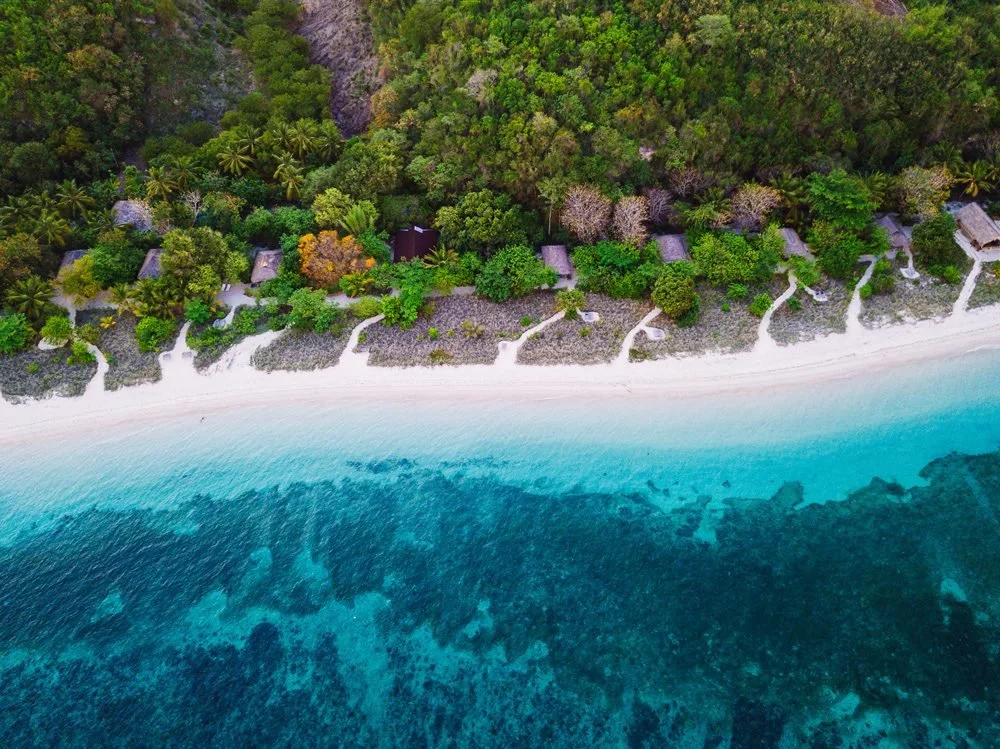
Our mission is to ensure priority marine protected and conserved areas (MPCAs) in the Coral Triangle are effective, climate resilient, and sustainable while benefiting nature and communities.
Protect
A representative network of priority Marine Protected and Conserved Areas (MPCAs) is expanded and effectively managed.
30x30 Political Boundary Target
Regional MPCA coverage reaches a minimum of 15% with ideal target of 30% for the 6 Coral Triangle countries by 2030-2045
Priority Seascapes
MPCA networks cover at least 20% of priority areas for regional connectivity, biodiversity, and resilience. Priority seascapes currently include: Sulu-Sulawesi Seascape, Bismarck-Solomon Seas, Sunda-Banda Seascape
Enhanced MPCA Management Effectiveness
Greater than 20% of MPCAs in priority seascapes are documented to be “effectively managed” (as defined by CTMPAS, METT, Green List, etc.) by 2030
Gender Equality and Social Inclusion (GESI) in MPCA Management
MPCAs follow a rights-based approach engaging and respecting Indigenous Peoples (IPs), Local Communities (LCs), gender diversity, and youth engagement as indicated in Management Plans. Target 30% by 2027, 50% by 2030
Coral Reef Resilience
50% of climate resilient coral reefs in the target MPCAs remain above functioning thresholds in 2030

Recover
Resilience of MPCAs and surrounding areas is improved through targeted management actions.
Drivers of degradation managed
Priority local drivers of degradation on coral reefs and associated ecosystems are identified and managed (e.g. overfishing, pollution, tourism pressures) to enable natural recovery and rehabilitation of climate-impacted coral reefs

Transform
Coastal communities and economies in and around MPCAs are sustainable, resilient, and thriving.
Equitable and sustainable use of resources
Governments, civil society, private actors (e.g. MSMEs), and IP&LCs are supported and empowered in equitable and sustainable use of conservation of marine and coastal resources
Fish biomass stable or increasing
GINI coefficient trending down – towards equality
Indicators around engagement
Outreach completed – behavior measures before and after Social Behaviour change and communications approach
Coral Triangle Conservation Fund Governing Board
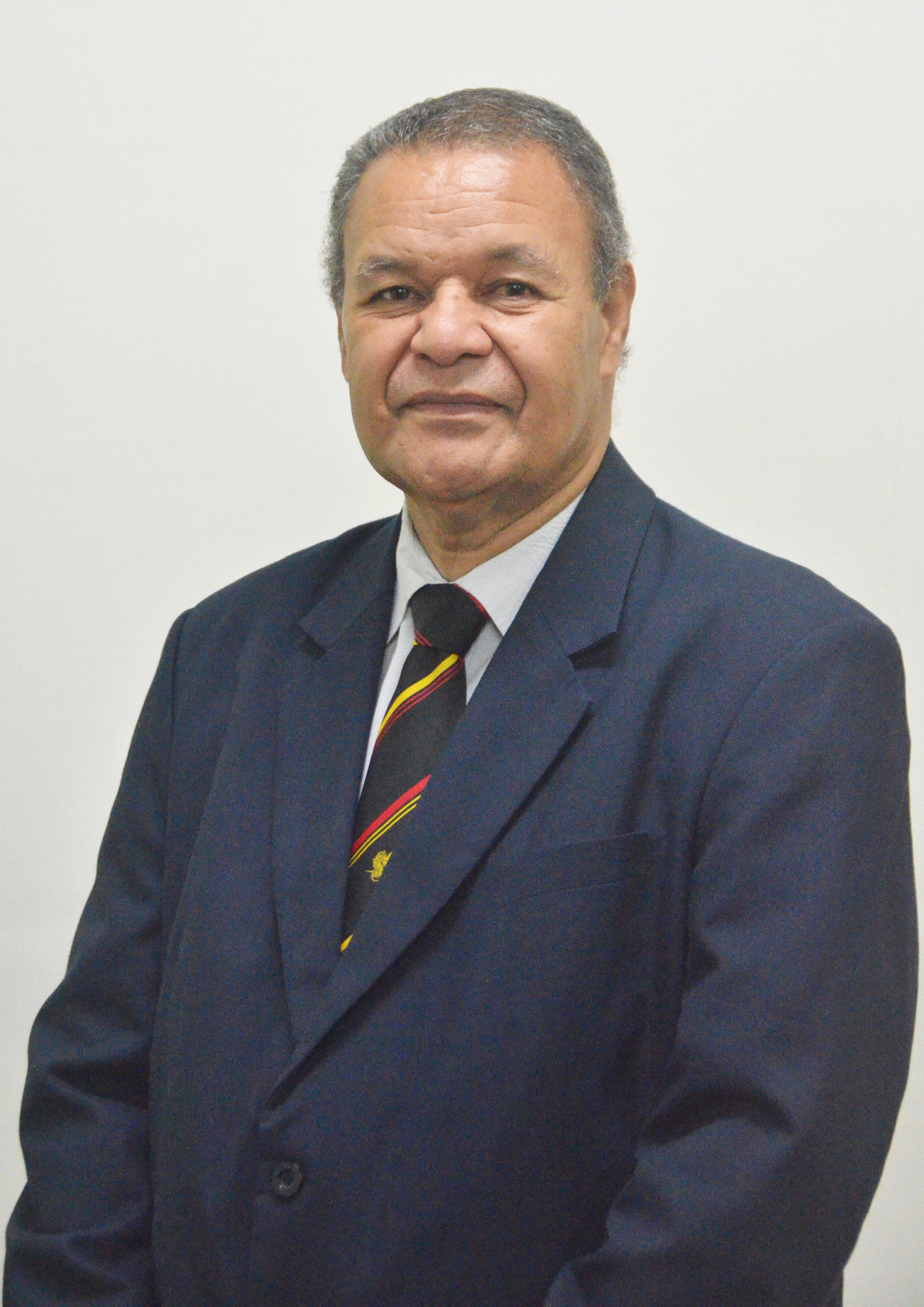
Dr. Frank Griffin
Regional Secretariat Executive Director, Coral Triangle Initiative on Coral Reefs, Fisheries and Food Security

Rili Djohani
Executive Director, Coral Triangle Centre

Anne Desdoigts
Independent Senior Advisor, Development Guarantee Group
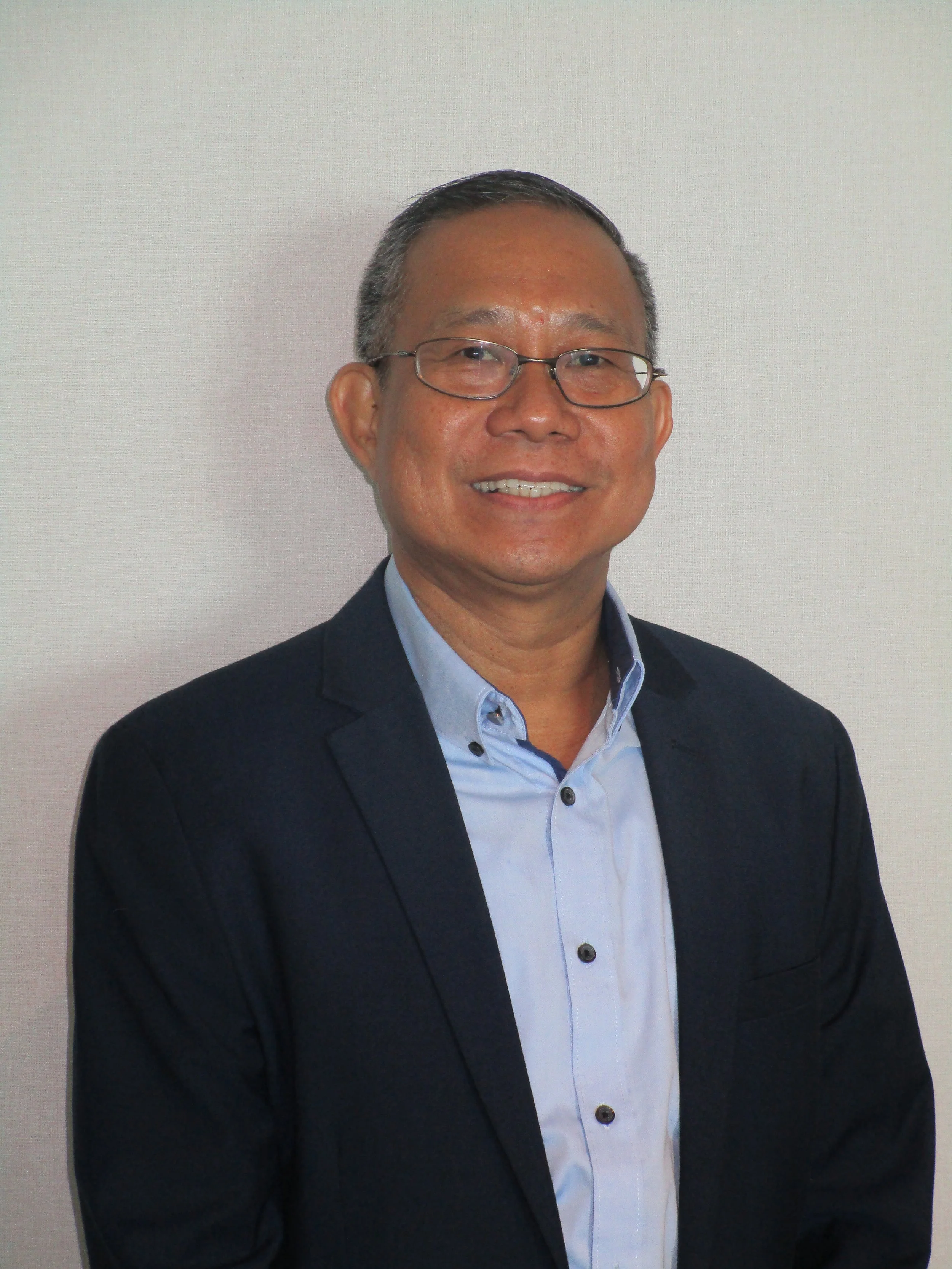
Dr. Len Garces
Project Technical Consultant, FAO Philippines, Regional Fisheries Management and Capacity Building Specialist of USAID SuFiA TS program
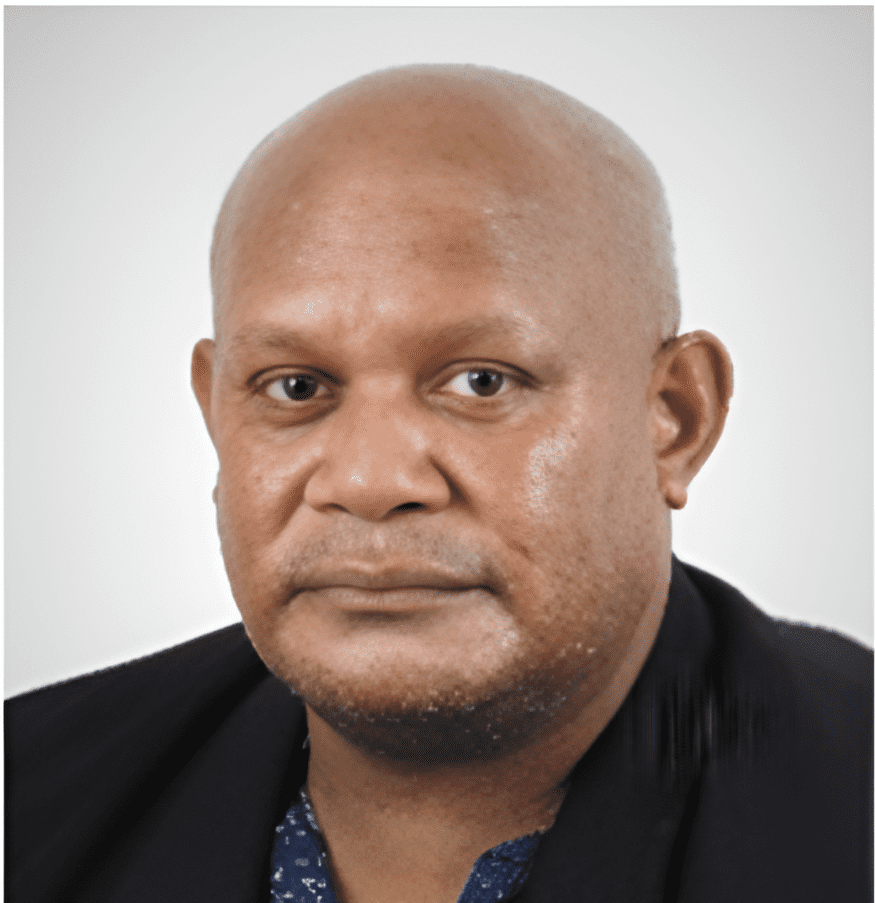
Dr. Michael Ha’apio
Commonwealth National Climate Finance Advisor to the Government of the Solomon Islands
Our Partners
Together, we achieve more. Thanks to our donors and partners, Coral Triangle Conservation Fund can make a significant impact in the Coral Triangle. Their funding, knowledge, and steadfast dedication are the backbone of our mission.